Linux kernel & embedded systems training at Ring 0
Practitioner-led cohorts and self-paced labs across Linux device drivers, PREEMPT_RT, Yocto, FPGA, and GPU/RDMA infrastructure. Every cohort runs 35% principles, 20% live tracing, 45% lab studio and finishes with a reviewed 8-artifact capstone — working code, raw traces, and failure-injection proof a hiring manager can inspect directly.
Live online from US$1,150 or in person (max 14 seats), plus 16 self-paced C11, ARMv7-A & Qt 6 courses (4 free).
Adapted to your kernel tree and boards from US$18,000 (up to 12 engineers), Net-30 PO invoicing, and 8-artifact deliverables.
1 write(1, "hello", 6);2 svc #03 __arm64_sys_write() {4 ksys_write() {5 __fdget_pos();6 new_sync_write();7 }8 } 12.940 usUserspace calls write(2) through the C library wrapper. The kernel is not involved yet.
Courses and upcoming cohorts
Switch domains to inspect courses, starting seat prices, and next dates — or search all 46 courses directly.
 KRN-101Foundation · 4 days
Linux Systems Programming & Kernel Architecture
The one foundation course for all Linux engineering: C application programming on Linux first — files, processes, threads, IPC, sockets — then the kernel itself: build it, boot it, extend it, read its crashes.
from US$1,660Next 10 Jan 2027View course →
 KRN-201Advanced · 5 days
Kernel Internals: Scheduler, Memory & Concurrency
The complete kernel-internals flagship: kernel C and data structures, processes and the scheduler, memory management, concurrency and the memory model — then virtualisation, PREEMPT_RT, kernel debugging and Rust for Linux.
from US$1,660Next 25 Jan 2027View course →
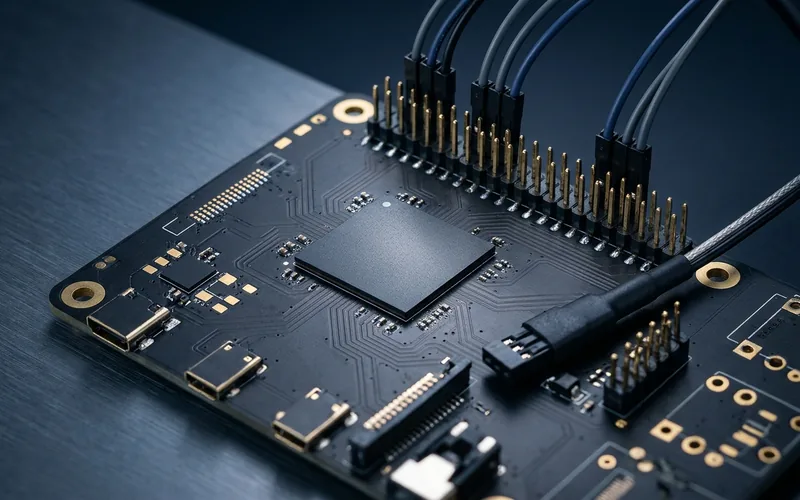 DRV-120Practitioner · 5 days
Linux Device Drivers
The complete driver course: upstream-quality drivers from Device Tree binding to /dev node — platform and character devices, every SoC bus and subsystem, and USB host and gadget.
from US$1,850Opens at 4 seatsView course →
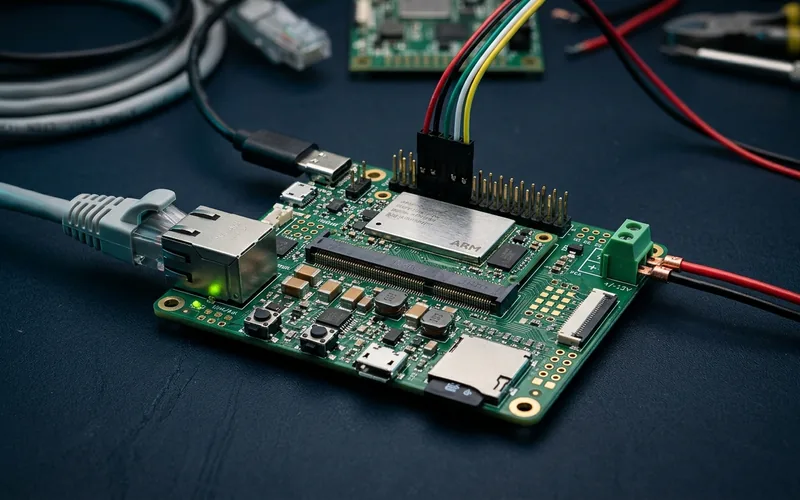 EMB-100Practitioner · 5 days
Embedded Linux: From Toolchain to Product
The complete embedded Linux product course: build the system with Buildroot and Yocto, write its applications and Qt interface, then ship it with fast boot and atomic updates.
from US$1,660Next 17 Jan 2027View course →
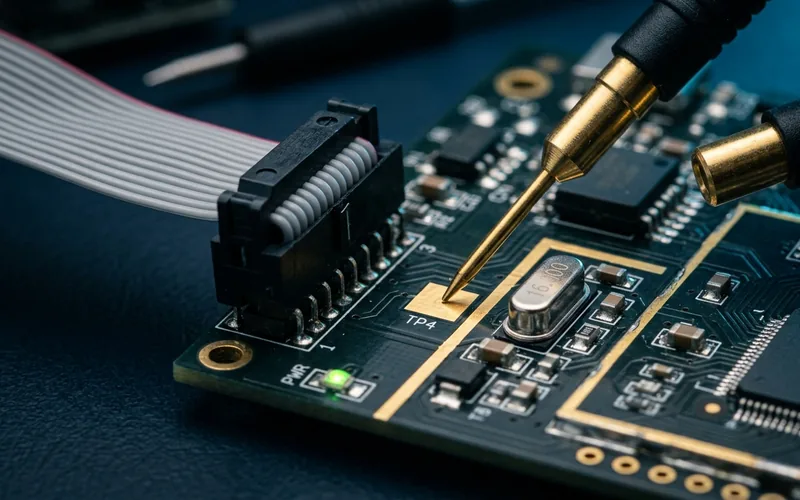 EMB-201Advanced · 3 days
Board Bring-Up: TF-A, U-Boot & Device Tree
The boot chain on real hardware: Arm64 boot flow, DDR init, U-Boot porting and the Device Tree for a board that does not exist yet.
from US$1,450Next 21 Mar 2027View course →
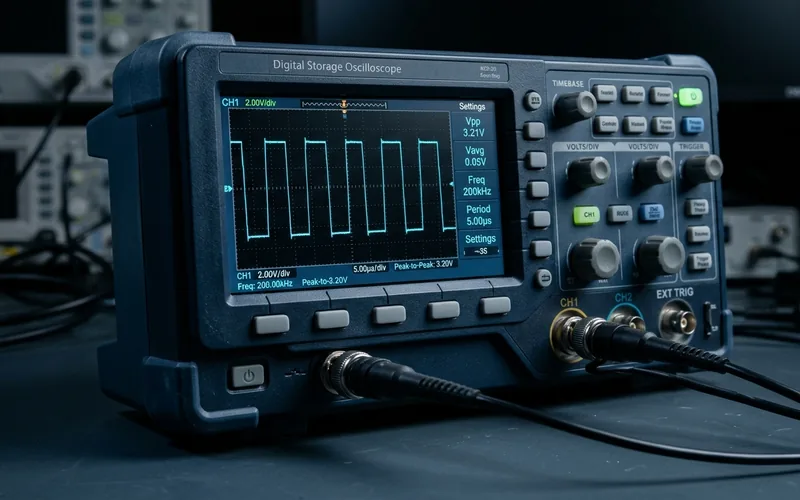 RTL-101Advanced · 3 days
PREEMPT_RT & Real-Time Linux
Get deterministic latency from mainline Linux — and prove it with measurements that survive review.
from US$1,300Next 22 Mar 2027View course →
 ARC-101Foundation · 4 days
Computer Architecture for Systems Engineers
How the hardware actually executes your code — the foundation for every performance and debugging decision.
from US$1,660Next 12 Apr 2027View course →
 ARC-300Advanced · 4 days
Systems Programming Across x86-64, Arm64 & RISC-V
The privilege models, paging architectures and memory models of the big three architectures — compared in source code. Niche (sovereign RISC-V, defence) — private cohort on request.
Custom team quoteCustom team datesView course →
 DBG-101Advanced · 3 days
Kernel Debugging: Oops to Crash Dump
From a raw oops to a defensible root cause: crash dumps, live debugging and the stalls nobody can reproduce.
from US$1,300Next 16 May 2027View course →
 SEC-201Advanced · 5 days
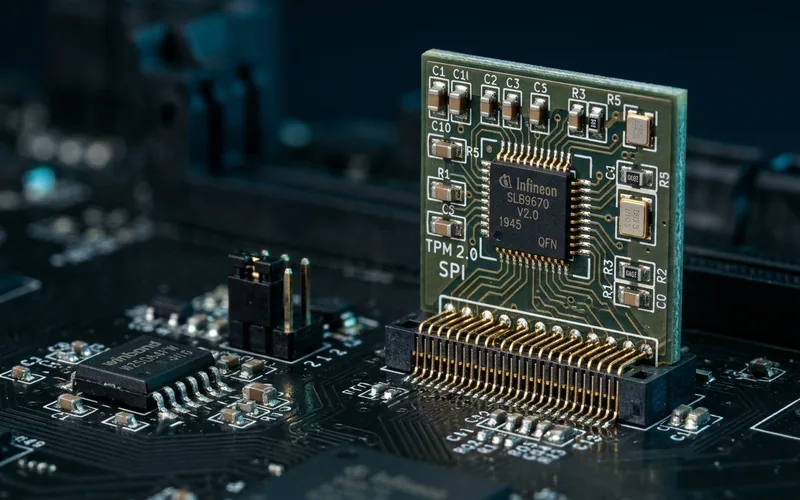
Production Kernel Security Lifecycle
Run a product kernel's security from CVE intake to shipped, documented fix — the flagship, and the day job it comes from.
from US$1,660Next 31 Jan 2027View course →
 SEC-301Advanced · 4 days
Linux Hardening & Access Control
One hardening course: exploit classes and their mitigations, then every access-control mechanism the kernel offers.
from US$1,660Next 6 Jun 2027View course →
 SEC-320Advanced · 4 days
Secure Boot, Measured Boot & Runtime Integrity
The chain of trust end to end: ROM keys to dm-verity, including measured boot and attestation.
from US$1,660Next 7 Jun 2027View course →
 NET-101Practitioner · 4 days
Linux Network Stack & Drivers
The complete path of a packet from wire to socket and back — including the driver layer.
from US$1,660Next 5 Apr 2027View course →
 NET-120Practitioner · 3 days
Packet Filtering & Traffic Control
Filtering, shaping and scheduling packets in kernel space: nftables below, qdiscs and AQM above.
from US$1,300Next 13 Jun 2027View course →
 NET-201Advanced · 4 days
Fast-Path Packet Processing: XDP, AF_XDP & DPDK
One fast-path course: when to leave the kernel stack, and the three ways to do it.
from US$1,660Next 14 Jun 2027View course →
 AIC-101Foundation · 2 days
AI Compute Foundations
The architecture and vocabulary of modern AI compute: what a GPU system is, and what the stack around it does.
from US$1,040Next 1 Feb 2027View course →
 AIC-200Practitioner · 4 days
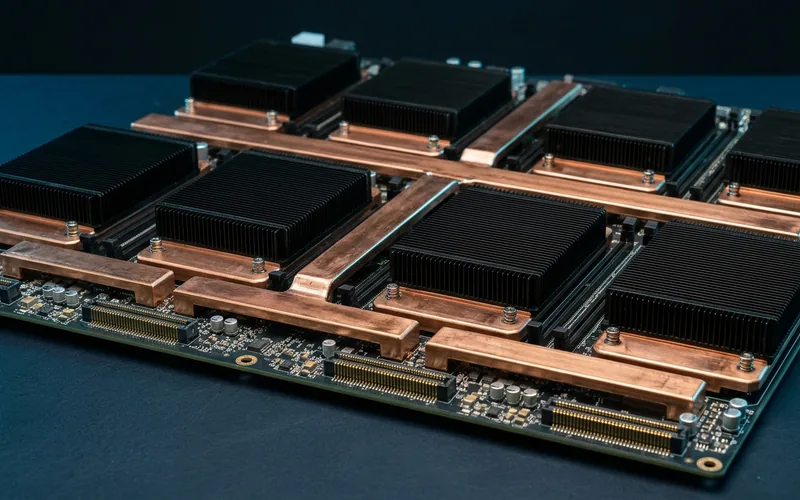
GPU Server & Cluster Bring-Up
What the kernel and firmware are doing under your GPU cluster — the layer almost nobody teaches.
from US$1,660Next 24 Jan 2027View course →
 AIC-210Practitioner · 4 days
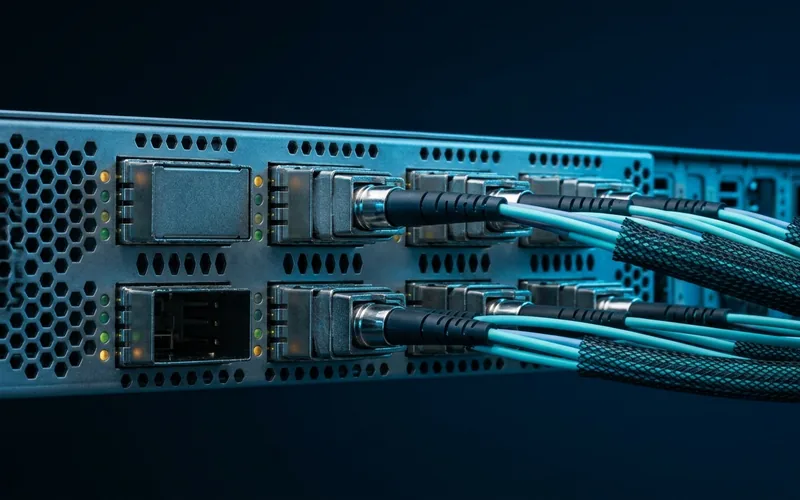
RDMA & AI Cluster Networking
Build and debug the fabric distributed training runs on, from queue pairs up to a tuned NCCL all-reduce.
from US$1,660Next 29 Mar 2027View course →
 FPG-101Foundation · 4 days
FPGA Design for Software Engineers
The mental shift from sequential code to concurrent hardware, taught for people with a software background.
from US$1,660Next 9 May 2027View course →
 FPG-110Practitioner · 2 days
Vivado Timing Closure
Static timing analysis and the practical work of closing timing on a design that does not meet it.
from US$1,040Next 10 May 2027View course →
 FPG-120Practitioner · 3 days
HLS & DSP on FPGA
Generate hardware from higher-level descriptions — and give the HLS flow real DSP work to do.
from US$1,300Next 11 Jul 2027View course →
Inspect the stack we teach
Every course runs on the same loop: form a hypothesis from the source, instrument the running machine, and hand in raw measurements that settle what happened.
# /sys/kernel/tracing · AArch64 EL0 -> EL1 write(2) path
echo 4 > max_graph_depth
echo '__arm64_sys_write' > set_graph_function
echo function_graph > current_tracer
echo 1 > tracing_on; taskset -c 2 ./writer; echo 0 > tracing_on

 2)               |  __arm64_sys_write() {
 2)               |    ksys_write() {
 2)   0.285 us    |      __fdget_pos();
 2)               |      vfs_write() {
 2)   0.240 us    |        rw_verify_area();
 2) + 11.420 us   |        new_sync_write();
 2) + 12.050 us   |      }
 2) + 12.680 us   |    }
2) + 12.940 us | }static int ksa_sensor_probe(struct platform_device *pdev)
{
struct ksa_dev *priv;
int irq;
priv = devm_kzalloc(&pdev->dev, sizeof(*priv), GFP_KERNEL);
if (!priv)
return -ENOMEM;
priv->base = devm_platform_ioremap_resource(pdev, 0);
if (IS_ERR(priv->base))
return PTR_ERR(priv->base);
irq = platform_get_irq(pdev, 0);
if (irq < 0)
return irq;
return devm_request_threaded_irq(&pdev->dev, irq,
ksa_hard_irq, ksa_thread_fn, IRQF_ONESHOT,
dev_name(&pdev->dev), priv);
}# PREEMPT_RT tail-latency hunt under CPU & I/O load
stress-ng --cpu 4 --io 2 --timeout 120s &
rtla timerlat top -q -p 1000 -i 150 -c 2-3 -P f:95
cpu samples | IRQ Timer Latency (us) | Thread Timer Latency (us)
| cur min avg max | cur min avg max
2 #120000 | 2 1 2 11 | 6 3 5 18
3 #120000 | 2 1 2 9 | 5 3 5 16# PCIe switch topology, IOMMU groups & GPUDirect RDMA
$ nvidia-smi topo -m
GPU0 GPU1 mlx5_0 CPU Affinity NUMA Affinity
GPU0 X NV12 PIX 0-31 0
GPU1 NV12 X PIX 0-31 0
mlx5_0 PIX PIX X
$ ib_write_bw -d mlx5_0 --use_cuda=0 --report_gbitsEvidence engineers leave with
Capstones are reviewed as engineering evidence, not attendance. These are artefacts learners are required to produce and defend — course requirements, not testimonials or claims about past client outcomes.
Syscall path, measured
Annotated EL0-to-EL1 vector path; raw strace, ftrace and perf captures under pinned and contended runs; a report separating observed facts from interpretation.
Driver ready for review
YAML Device Tree schema passing dt_binding_check, complete driver source, lockdep/KASAN stress evidence and a DMA throughput trace tied to the design choices.
Worst-case latency proof
Before/after latency histograms under load, the kernel configuration fragment, IRQ-affinity map and the trace that isolates the worst remaining tail-latency offender.
Cluster bottleneck record
PCIe/NVLink topology and NUMA audit, IOMMU-group evidence, ib_write_bw and NCCL measurements, plus a root-cause remediation record another engineer can reproduce.
How do you want to learn?
Published prices on every page, purchase orders in USD, SAR, EUR, GBP, and CAD, and zero artificial urgency.
Scheduled public cohorts
Join an upcoming cohort live online across two weeks of half-days or in person in Riyadh, Kuwait City, and Muscat (from US$1,150, 10% early bird 30+ days ahead).
Private team training
Any of our 46 instructor-led courses delivered exclusively to your team on-site anywhere or live online, adapted to your kernel tree and boards. From US$18,000 for up to 12 engineers.
Free 60-minute technical session
Before committing budget, bring one real latency spike, driver bug, or GPU bottleneck. An active practitioner works through your problem live for 60 minutes — zero sales slides.
Self-paced C11, ARMv7, Qt 6 & paths
Sixteen interactive KSA Terminal courses across Linux Systems C11, ARMv7-A bare-metal/kernel drivers, and Qt 6/C++20/OpenCV (4 courses free; US$39/mo or US$349/yr all-access), 11 instructor-led role paths, and 12 networking/RTL paths.
Real hardware and measurements
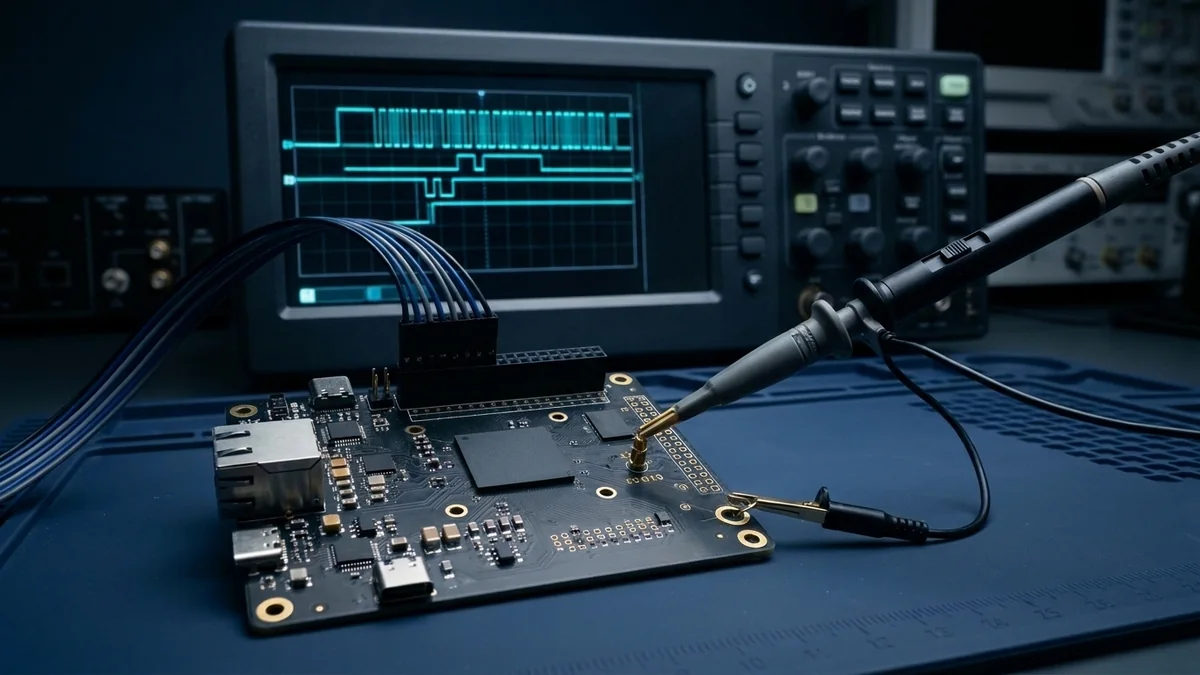
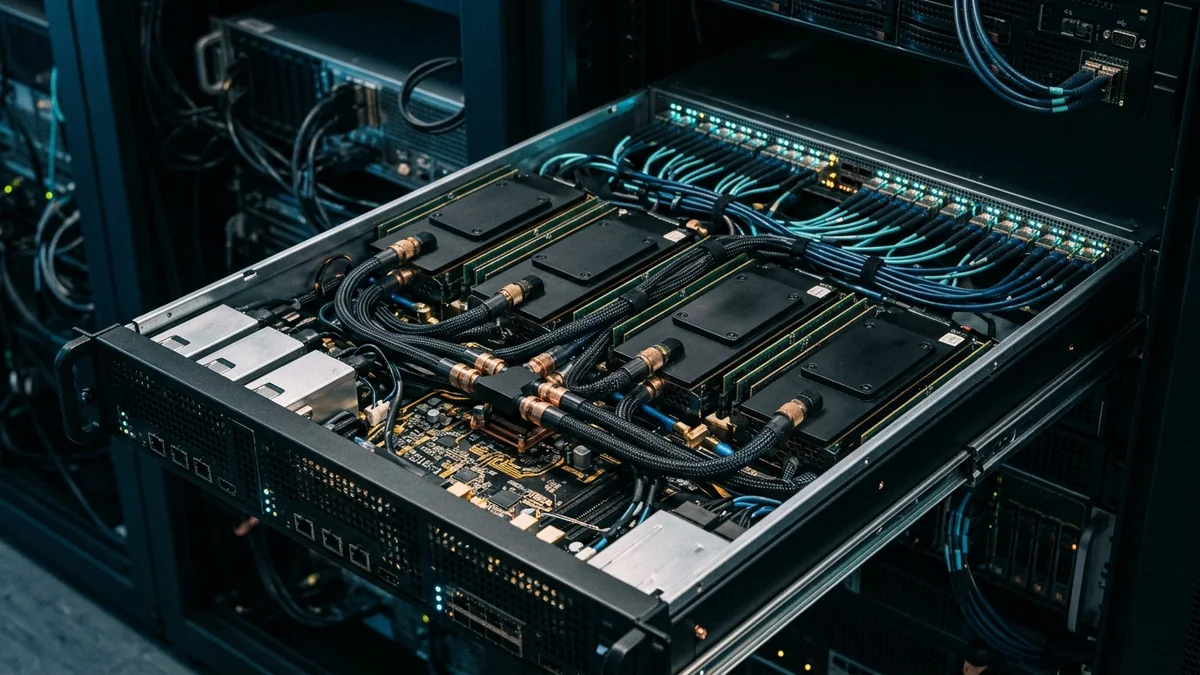
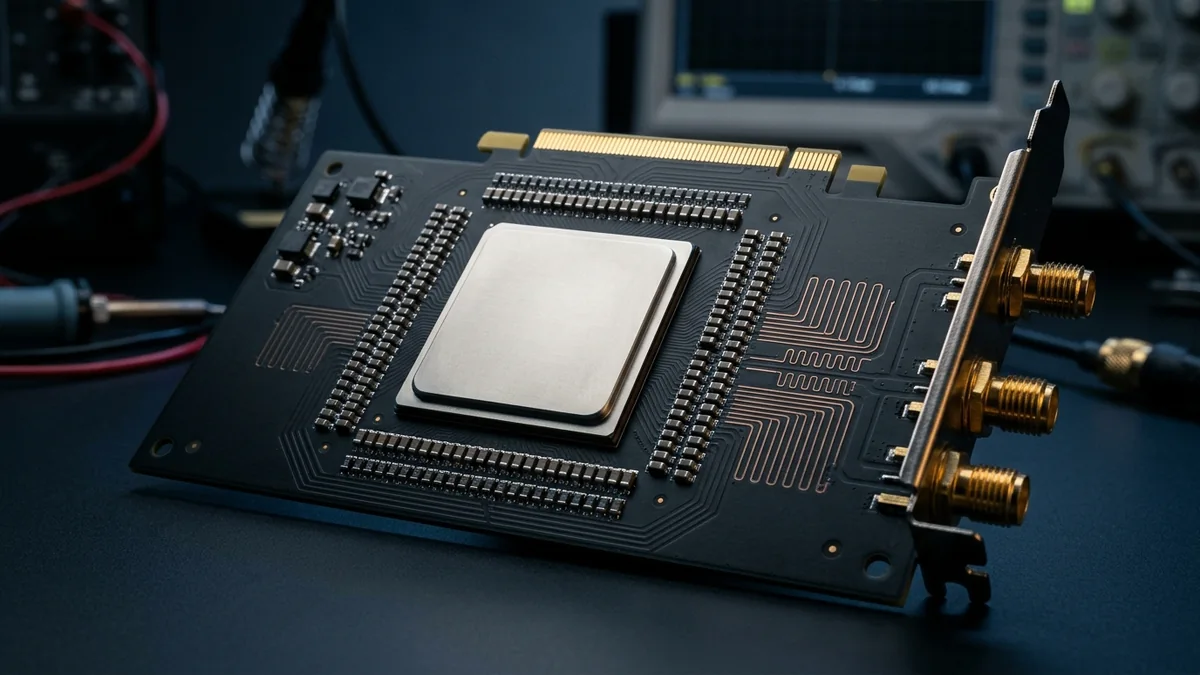
Software baselines run in QEMU and Verilator where emulation is faithful. Where physical timing, buses or DMA coherency change the answer, cohorts work on real boards, scopes and GPU/RDMA nodes.
How every course is taught
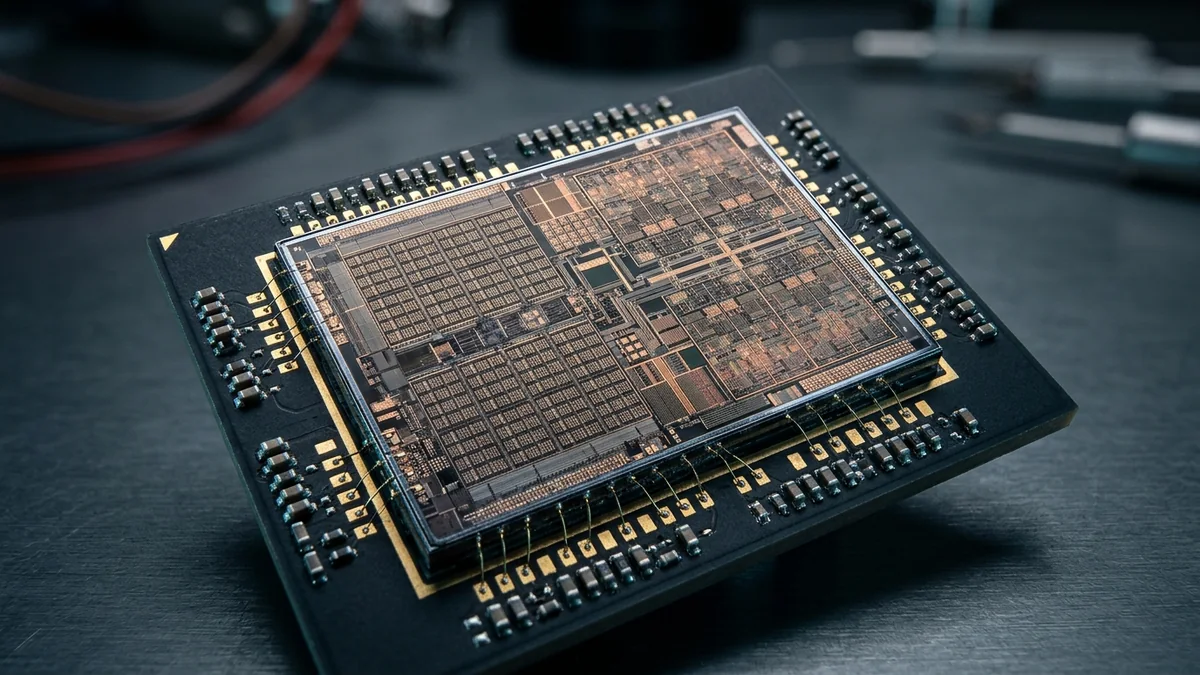
No passive slide decks or attendance certificates. Every cohort runs on our 35 / 20 / 45 studio split and is graded on eight engineering artifacts.
Principles & invariants
Hardware models, kernel source walkthroughs, locking rules, and failure modes — just enough theory to form testable hypotheses.
Guided investigation
Live instrumentation with ftrace, perf, rtla, logic traces, or fabric counters before you modify a line of code.
Engineering studio
Hands-on driver, kernel, RTL, or cluster labs with injected faults, culminating in an eight-artifact capstone reviewed by the instructor.
Technical engineering articles
Practitioner field notes on mainline Linux 6.12 LTS, PREEMPT_RT latency tracing, embedded build architecture, Device Tree bring-up, and multi-GPU PCIe/RDMA fabrics.
PREEMPT_RT latency tuning on Linux 6.12: rtla timerlat, threaded IRQs & CPU isolation
Separate throughput folklore from worst-case latency engineering: sleeping spinlocks, priority inheritance, CPU isolation, firmware SMI traps, and tracing microsecond tail spikes with rtla.
Read technical guide →Yocto vs Buildroot for production embedded Linux: architecture, CVE maintenance & boot time
Choose between Yocto and Buildroot using build architecture, sstate caching, EU CRA / SPDX vulnerability maintenance, and flash footprint — not tribal preference.
Read technical guide →Debugging Linux Device Tree bindings, -EPROBE_DEFER & gpiod polarity failures
Why your driver compiled cleanly, loaded without errors, and never called .probe() — plus the exact runtime files in sysfs and debugfs that settle what happened.
Read technical guide →Diagnosing PCIe topology, IOMMU groups & GPUDirect RDMA bottlenecks on Linux
Why an 8-GPU + RoCEv2/InfiniBand node quietly falls back from 400 Gb/s peer-to-peer DMA to host-memory bounce buffers — and how to prove it from Linux sysfs.
Read technical guide →Common questions
Straight answers on capstones, corporate purchase orders, cohort formats, and the free technical session.
How does the 35 / 20 / 45 model and 8-artifact capstone help engineering managers?
Class time splits 35% architectural invariants, 20% live system tracing (ftrace, perf, rtla, fabric counters), and 45% hands-on implementation. Every attendee finishes with an 8-artifact portfolio — tagged source repository, toolchain manifest, automated tests, raw measurements, failure-injection runs, design record, clean reproduction steps, and final engineering report — so managers verify real capability rather than attendance.
Can we pay by corporate purchase order or invoice?
Yes. Any public cohort seat can be held for 10 business days (US$0 upfront) pending your PO with Net 30 invoicing in USD, SAR, EUR, GBP, or CAD, or booked immediately by card. Team rates apply automatically at 3–4 seats (10% off) and 5+ seats (15% off).
What is the difference between live cohorts, private team training, and self-paced?
Scheduled public cohorts run live online (half-days over two weeks, from US$1,150) or in person in Riyadh, Kuwait City, and Muscat (capped at 14 engineers). Private cohorts run exclusively for your team on-site anywhere or online from US$18,000 for up to 12 engineers. Self-paced KSA Terminal courses open 4 foundation courses (GL-C01, GL-E00, GL-E01, GL-Q01) 100% free, with all 16 C11, ARMv7-A & Qt 6/C++20 courses at US$39/month or US$349/year.
How does the free 60-minute technical session work?
Bring one real kernel, BSP, PREEMPT_RT, FPGA, or GPU/RDMA problem your team is debugging. An active practitioner works through the trace, Device Tree, or architecture live with your engineers for 60 minutes — zero sales slides and zero obligation.
Bring us one real problem
Book a free 60-minute technical session with an active practitioner on your kernel, BSP, PREEMPT_RT, FPGA, or GPU bottleneck — or inspect upcoming cohort dates.